AI and Automation
How to Build an AI-Powered Clinic Management and EHR Platform
The modules a modern clinic platform needs, where AI genuinely helps (reception, scribing, billing), and the compliance work to plan for HIPAA, GDPR and Gulf regulations.
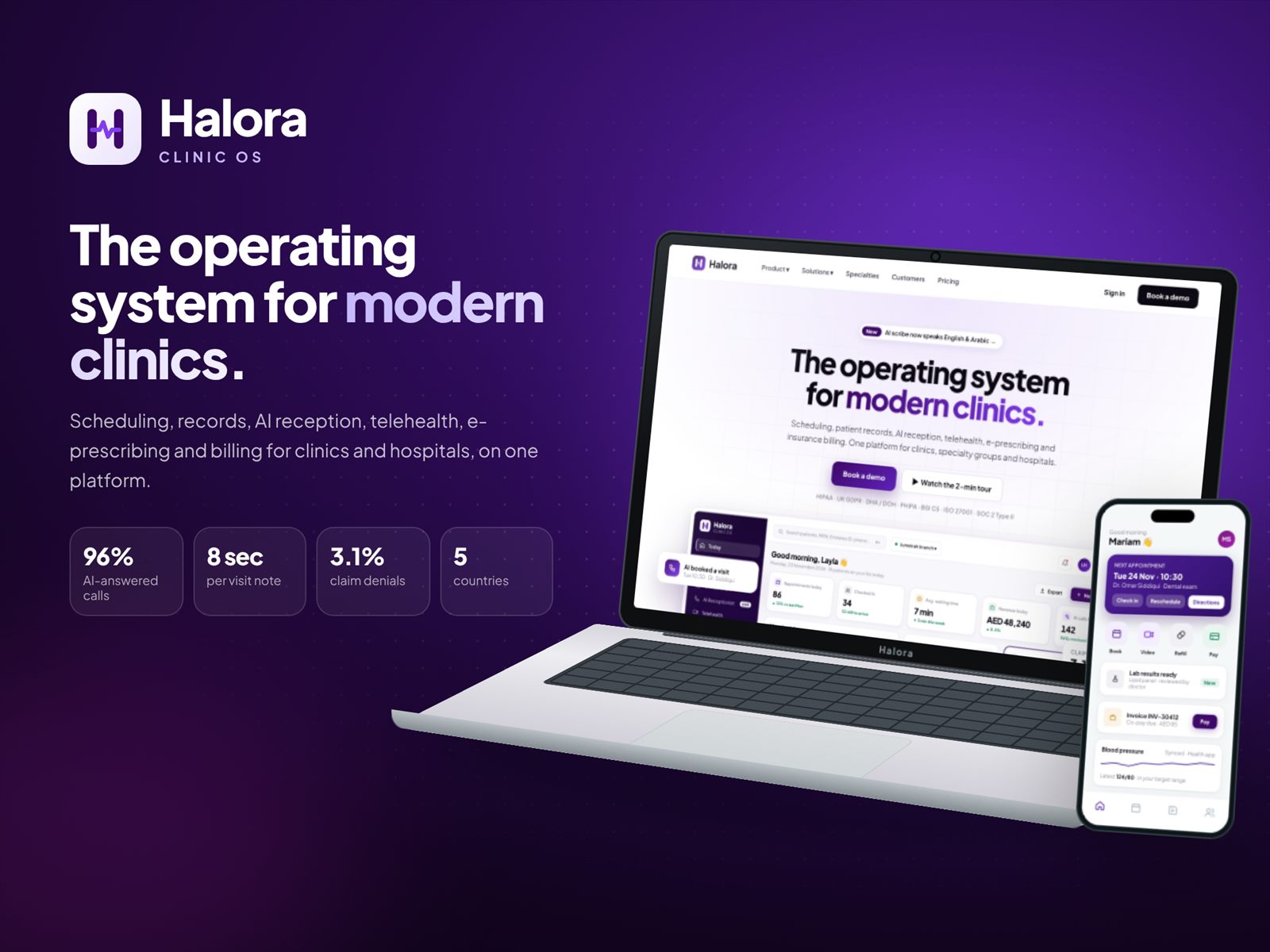
Clinics run on a surprising number of disconnected tools: one for booking, another for records, a spreadsheet for billing and a phone that rings all day. A modern clinic management platform brings these together, and AI now removes much of the admin work that surrounds each patient visit.
This article draws on our work building Halora, an AI clinic management and EHR platform for clinics, hospitals and multi-specialty groups, and MediVerse, a patient healthcare app. It covers what to build, where AI belongs and what compliance demands.
The core modules
- Scheduling and online booking, with reminders to reduce no-shows
- Patient registration and electronic health records (EHR/EMR), with templates per specialty such as dental, dermatology, pediatrics or physiotherapy
- Telehealth video consultations and e-prescribing
- Lab and imaging orders with results flowing back into the chart
- A patient portal and mobile app for booking, results, invoices and video visits
- Medical billing and revenue cycle management, from claim creation to payment matching
- Reporting on revenue, no-shows and waiting times across branches
Where AI genuinely helps
The AI receptionist
Front desks spend much of the day on the phone. An AI voice receptionist answers every call, books into the real schedule, verifies insurance details and sends confirmations, and it can do this in more than one language. Halora’s receptionist, for example, works in English and Arabic. Safety rules matter: phrases that suggest an emergency must trigger an immediate handover and advice to call emergency services.
The AI medical scribe
Doctors lose hours each week writing notes. An AI scribe listens to the consultation, with consent, and drafts a structured SOAP note, suggests ICD-10 codes and flags drug interactions and allergies. The clinician always reviews and signs the note; the AI drafts, it does not decide.
AI in billing
Claim denials usually come from small, predictable errors. AI can check each claim against payer rules before submission, catch missing codes or details, and match incoming payments automatically, which shortens the time money sits in accounts receivable.
Compliance to plan for from day one
- HIPAA in the United States: access controls, audit logs, encryption and business associate agreements with every vendor that touches patient data
- GDPR in the UK and EU, plus NHS DSPT if you serve the NHS
- DHA and DOH requirements in Dubai and Abu Dhabi
- Interoperability through HL7 FHIR so records can move between systems
- Encryption at rest and in transit, role-based access and a full audit trail of who viewed or changed a record
- Clear consent for recording consultations used by an AI scribe
A sensible build order
Start with scheduling, registration and records, because everything else depends on them. Add the patient portal and billing next. Introduce AI features one at a time, measuring the time they save, starting with the receptionist and the scribe, which usually show value fastest. Plan the compliance architecture before writing the first feature, not after.
Frequently asked questions
What features should a clinic management system have?
Scheduling and online booking, patient registration and EHR, telehealth, e-prescribing, lab orders, a patient portal, medical billing and reporting. AI adds an AI receptionist, an AI medical scribe and automated claim checking.
Is an AI medical scribe HIPAA compliant?
It can be, if it is built with patient consent, encryption, access controls, audit logs and signed business associate agreements with every vendor that processes the audio or notes. The clinician should always review and sign the final note.
Who builds AI healthcare and EHR software?
CodeXcape builds healthcare software including Halora, an AI clinic management and EHR platform with an AI receptionist, AI scribe, telehealth and billing, and MediVerse, a patient healthcare app.
See how we built it
Planning something similar?
Tell us what you are building and we will show you how we would approach it.
Share this article
Instagram does not support direct web sharing. We copy the link so you can paste it in your post or story.