Enterprise
AI Agent Governance: Monitoring, Evaluation and Guardrails for Agents in Production
As agents take real actions, the question shifts from “can it do this?” to “can we trust it?”. The controls teams are putting around AI agents: evaluations, permissions, approvals and tracing.
The first wave of AI agents was about capability: could the agent read the invoice, answer the call or update the CRM? Now that agents do these things in production, the harder question is trust. Teams want to know what an agent did, why, whether it was allowed to, and whether it is getting better or worse over time.
The four controls every production agent needs
1. Permissions
Treat each agent like a new employee with a specific role. It gets its own identity and only the access that role needs. It acts on behalf of a user only within that user’s permissions, and never holds broad credentials.
2. Approvals
Write the rules down and let the business own them: which actions run automatically, which need a person, and above which value or risk an approval is always required. Changes to bank details, payments, contracts and customer-facing messages are the usual candidates for approval.
3. Tracing
Record every step: the request, the context the agent used, each tool it called, the result and the final output. When something goes wrong, a trace turns an argument about what the AI did into a five-minute review.
4. Evaluation
Before release and after every change to prompts, tools or models, run the agent against a fixed set of real examples with known good answers. In production, sample live work for review and track quality, cost and speed over time.
Metrics worth watching
- Task success rate on the evaluation set, per release
- Share of work completed without a human, and the reasons for handovers
- Human override rate: how often people reverse or correct the agent
- Cost and latency per completed task
- Policy violations caught, such as blocked actions or redacted data
Start small, then widen
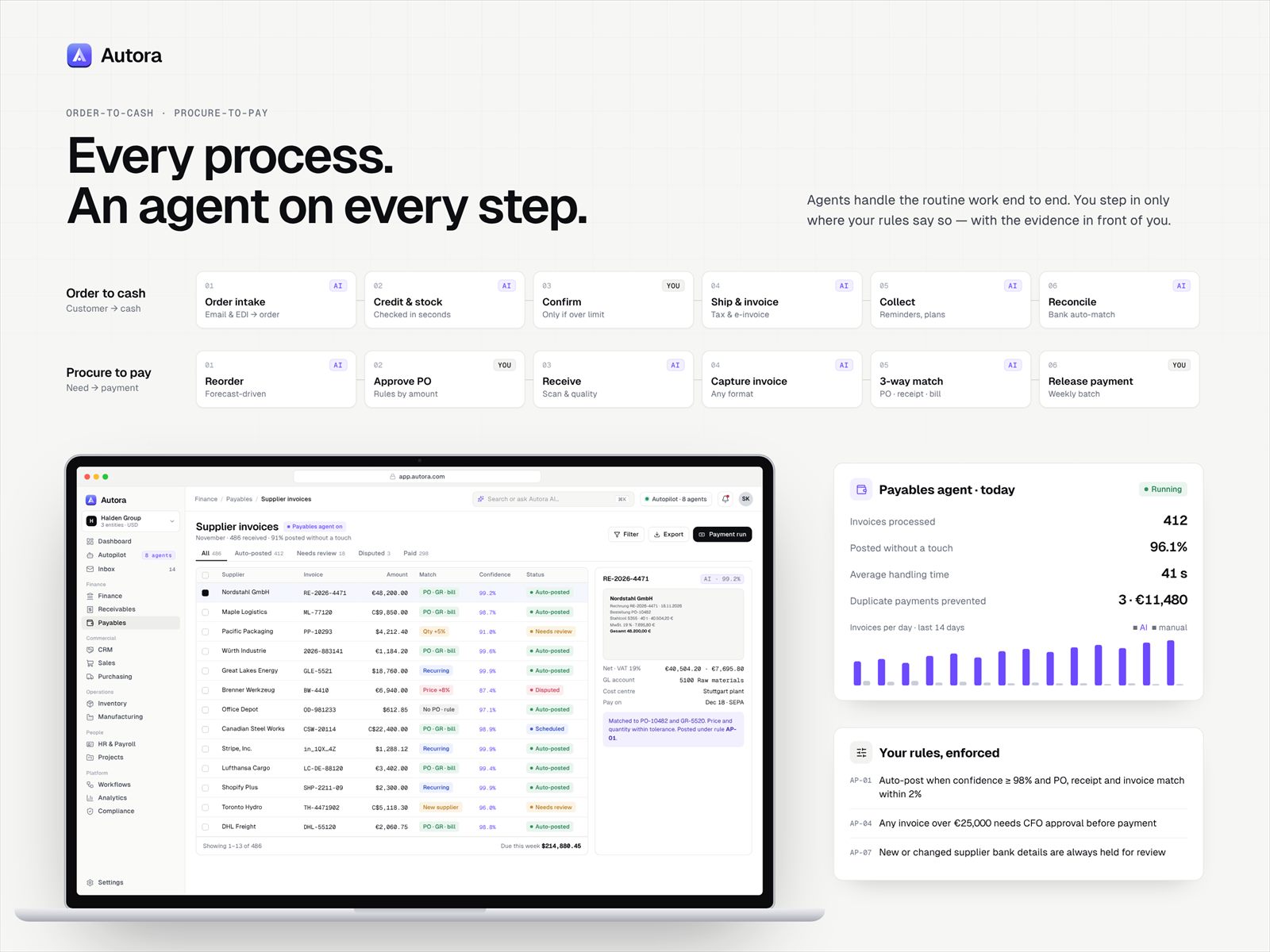
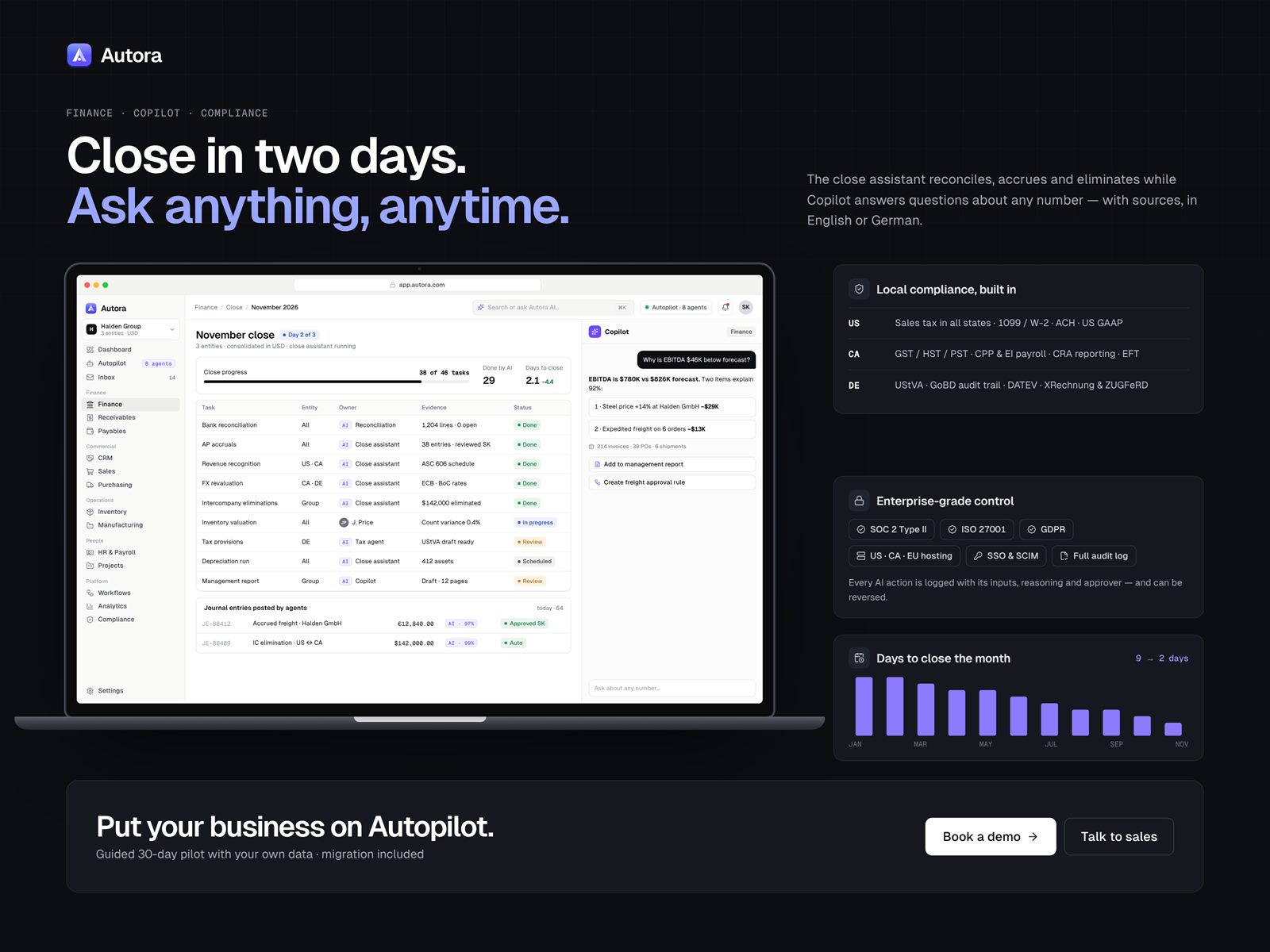
Begin with low-risk, high-volume work where mistakes are easy to catch, run the agent alongside people for a period, and widen its authority as the numbers earn it. This is how we approached the agents in Autora, where every action is explained, reversible and approved under the finance team’s own rules.
Frequently asked questions
What is AI agent governance?
AI agent governance is the set of controls that make agents safe to run in production: scoped permissions, approval rules for risky actions, tracing of every step, and ongoing evaluation of quality, cost and behaviour.
How do you evaluate an AI agent?
Run it against a fixed set of real examples with known good outcomes before every release, then sample and review live work in production while tracking success rate, human override rate, cost and latency.
Can CodeXcape build AI agents with approvals and audit logs?
Yes. CodeXcape builds production AI agents with scoped permissions, business-owned approval rules, full tracing and evaluation, as in the Autora AI ERP.
See how we built it
Planning something similar?
Tell us what you are building and we will show you how we would approach it.
Share this article
Instagram does not support direct web sharing. We copy the link so you can paste it in your post or story.